Since we are on the verge of being homeless this video hit home and I decided to share it. Like I’ve been saying for years, this will be the “final solution” for the homeless. The Lord warned me about them back in 2012 and told me that the “food and water will be tainted” or poisoned in other words. Pray for us.
Title: Internment Camps for Homeless People — Disguised as ‘Help’ . Politicians are calling it “help.” In reality, it looks a lot more like forced labor and internment camps for homeless people. . In this episode, I sit down with Eric Tars from the National Homelessness Law Center to unpack how billionaire-backed lobbyists and the U.S. Department of Housing and Urban Development (HUD) are driving policies that punish poverty instead of solving it. From federal funding threats to communities being pressured to criminalize homelessness, Eric explains how America’s response to homelessness is turning into a human rights crisis — and what it will take to stop it. . This isn’t fiction. It’s already happening. . Source: Invisible People
You can support this ministry and keep us on the internet using the links below. Patreon is gone so now we have PayPal, Cash App and Buy me a Coffee as our online options. The buy me a coffee link is below.
While I was reading this story and watching the video I was reminded about how good we’ve had it here in America while many Christians in the rest of the world are suffering greatly. Some people will say to me “Johnny it can’t be the tribulation yet because we’re not being persecuted” as if somehow only American’s are Christian and capable of being persecuted. The arrogance and pride that many American believers have is appalling.
I’m also reminded that my main mission is to report the stories that aren’t being spoken about and this definitely qualifies as even the video only has 1000 views. Unfortunately the Pastor is correct, hardly anyone cares about their plight, not even their own government. It probably won’t get much attention here either but I have to try to get the word out so people at least KNOW about what’s happening to believers in Sub Saharan Africa! Pray for your fellow believers there, pray that they can get relief and some rest from their persecutors in Jesus Holy and Mighty name!
What strikes me about this Pastor is his almost supernatural unwavering FAITH! Despite all he has experienced, Pastor Barnabas knows he can be sure of God’s faithfulness. “God has been helping and He’s the one that has been sustaining me and has kept me till today,” he says. “That’s the reason why I still strongly hold on to Him.
“I will not lose my confidence in God. And I will always encourage them that, no matter what should be the situation, they should still believe God that, one day, we shall come back to our ancestral homes.”
While our (my wife and I) situation here at home looks dire they’re not as dire as those in this article. Please keep them in your prayers as well as the other remnants around the world.
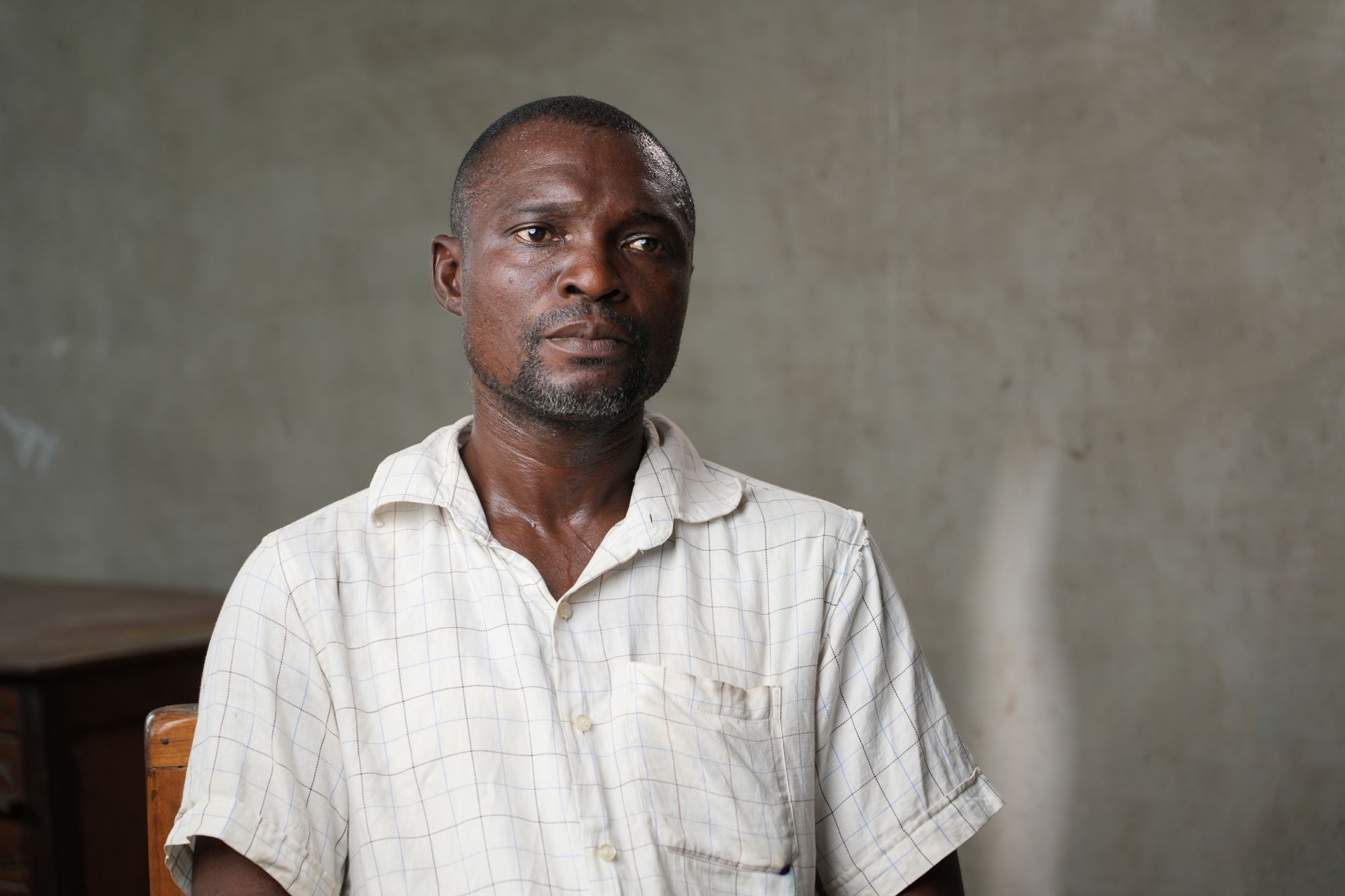
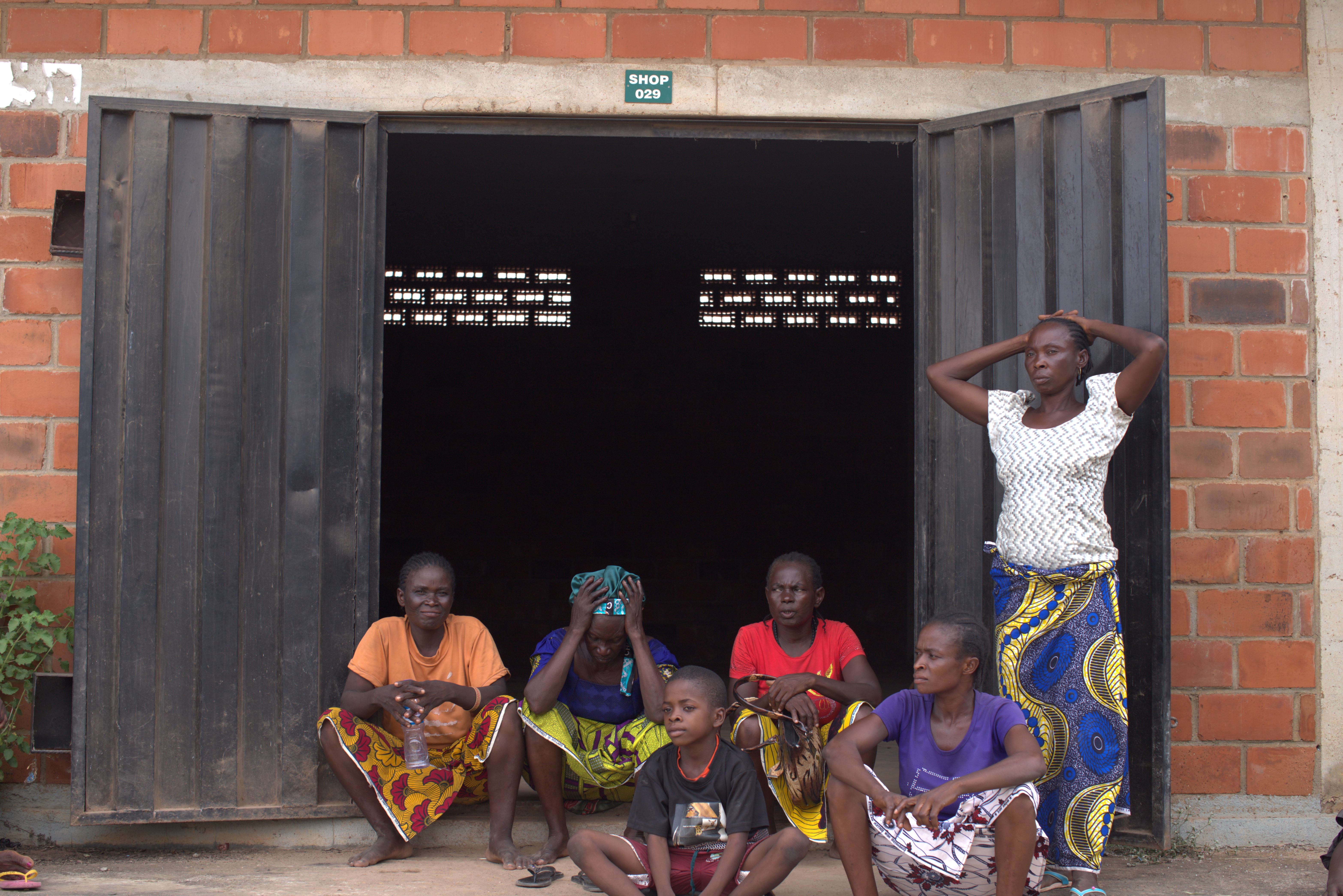
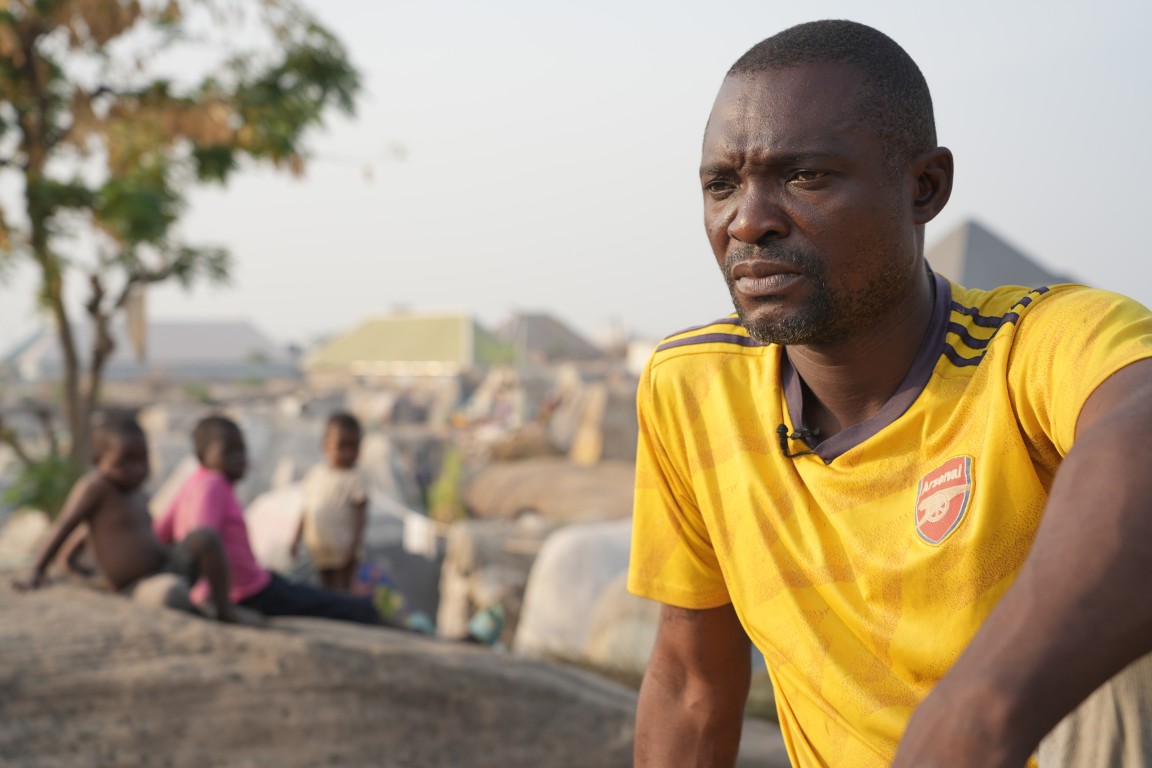
As Pastor Barnabas walks through the camp, he points out the makeshift tents in every direction. There are hundreds of them, small huts where people are huddled, seeking refuge from the sun. Thousands of people live here, in an informal camp for internally displaced people (IDPs), in Benue State in northern Nigeria. “Each and every one you see here—we are all Christians,” he says. “We are displaced because of violence.” He speaks with a determined, authoritative voice. You can see the compassion register on his face as he talks, but there is something else, too: a forcefulness that comes from a righteous anger that he and his church family have ended up in a camp like this.
It’s one of many similar IDP camps across sub-Saharan Africa, where 16.2 million Christians have been forcibly displaced—many due to violence. Many of those millions are Christians like Pastor Barnabas, who face attack simply because they follow Jesus.
Even though so many people are affected every year, this displacement crisis often isn’t recognized by the wider world. It’s something Pastor Barnabas finds frustrating and heartbreaking: “Millions of Christians are displaced, here in Nigeria. Millions of Christians are displaced in the whole of Africa. The news doesn’t care about it, politicians don’t talk about it, government don’t talk about it, global politics don’t talk about it. Nobody talks about it. We are remaining in darkness. Tell me: How that would make you feel? Being forgotten, being disregarded?”
‘A terrible place to live’
Pastor Barnabas gets to his tent, and stoops down to show it. Even though he and his family have lived in the camp for almost five years, their home is made of whatever materials were available. “We don’t have accommodation, we don’t have houses to live in,” he says. “We can only go and pluck palm leaves and use mosquito nets to construct it. And that is how we stay: We don’t have any privacy, me and my children.”
or a family with five children, the tent is far too small. Pastor Barnabas gestures to the four sides: “From here to here, it’s 1.5 meters (about 5 feet). From here to here, it’s 1.5 meters. From here to here, it’s 1.5 meters. It’s smaller than a double mattress. I don’t have a bed.
“Because my tent is too tiny, I can’t stay with my children,” he continues. “Three of them stay here with me and my wife. The rest of my children join with my neighbor. When day breaks, they come back to stay with me. His role is to pastor the believers in the camp. During the day, you’ll mostly meet women and children. Pastor Barnabas explains: “Most of the men—they have gone out looking for work to do, in order to get daily food. But yet, it will not be enough for a meal for a day.” Many of these Christians have left behind farms—places where they would be able to get food for their families. But they would be in extreme danger if they venture there.
Every day, Pastor Barnabas sees the men in the camp weigh this terrible choice. “This hunger leads many of them to go in search of food to eat where they are being attacked by the militants,” he says. “They have no option, they have to go back there again—and when they go, they are attacked again.”
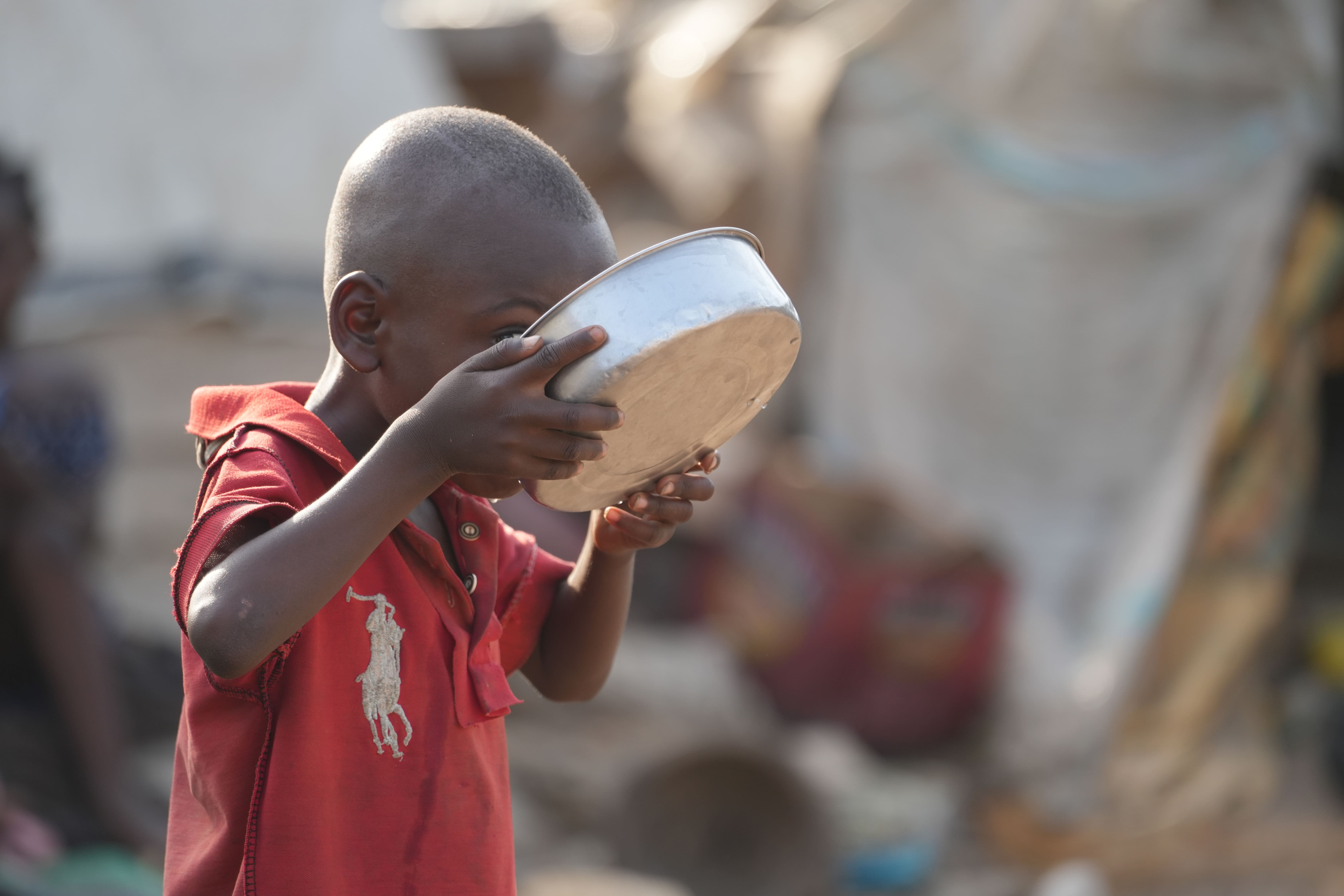
The IDP camp is a bit safer, but the living conditions are appalling. “It is not easy to live in IDP camp. It is a terrible place to live,” says Pastor Barnabas bluntly. “In the IDP camp, we don’t have good hygiene, we don’t have water, we don’t have toilets, we don’t have good sanitation. Many people are dying. Only last week, as I am talking, we lost eight people in this IDP camp.”
People wouldn’t live in a camp like this if they had any other choice. They only live here because it’s worse outside the camps—because of the horrendous persecution that has displaced them.
‘I was attacked by the Fulani militants’
Every year, thousands of Christians in Nigeria and across sub-Saharan Africa are murdered for their faith. Open Doors’ 2024 World Watch List research shows that about 95% of believers killed last year for their faith are in sub-Saharan Africa. More Christians were killed for their faith in Nigeria than the rest of the world combined. And that doesn’t include the huge numbers of people who are injured, abducted, face sexual violence, or lose their homes and livelihoods.
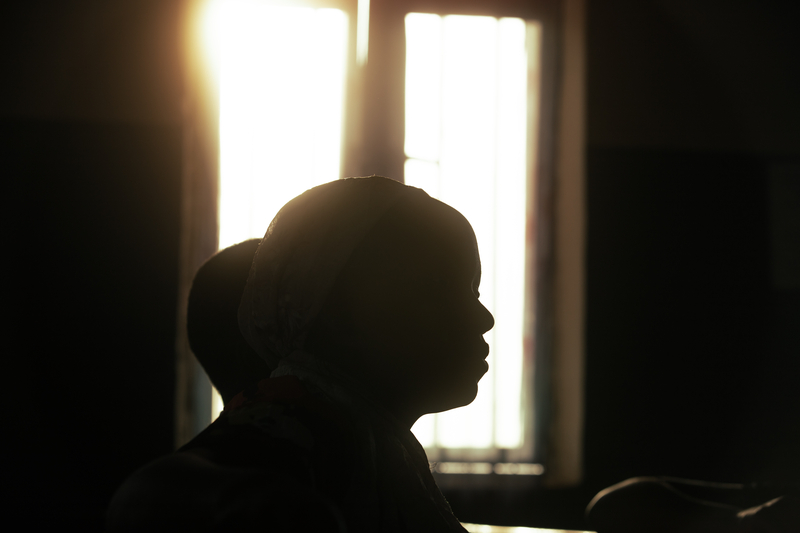
Pastor Barnabas can easily empathize with the displaced women, men and children who have faced this violence. He’s been through exactly the same experience.
“I was on the farm with my brother, Everen, and his wife, Friday,” he remembers. “We were walking when we heard rapid shooting of guns and other sounds. We didn’t know what was happening. We saw people running in different directions. We didn’t know that the militants had surrounded us.”
“We didn’t know that the militants had surrounded us.”Pastor Barnabas
The community was being attacked by Fulani militants, a group of Islamic extremists who are responsible for many of the violent attacks in north central and central Nigeria.
“We began to ask each other, ‘What is happening?’ and said, ‘We should run, we should run’,” he says. “Some of them came with guns, some of them came with machetes, some of them came with sticks.”
Tragically, Everen and Friday weren’t able to escape their persecutors. It’s been almost five years, but the pain is still raw for Pastor Barnabas. “My brother was shot by the militants, and my brother’s wife was also shot and then macheted and killed by the militants,” he says.
Lasting injuries
The attack kept going. Pastor Barnabas couldn’t stop to help his brother and sister-in-law, or even to retrieve their bodies. “I kept running,” he remembers. “Then the militants divided themselves and one of them followed me.”
This man tried to attack Pastor Barnabas with a machete, but accidentally dropped it. “He proceeded to remove his stick and hit me on my hand, and my hand was badly broken,” Pastor Barnabas says.
“If not for God’s intervention, if not for God’s love, I wouldn’t be where I am today.”Pastor Barnabas
Years later, he is still affected by these injuries. The attack caused long-term damage and, while he managed to gather enough money to pay for initial surgery, he can’t afford to have the metal in his hand removed. Without a second operation, he can’t use his hand properly. It’s a daily reminder of the horror he experienced at the hands of the militants.
He knows it could have been even worse. The only reason the brutal attack stopped without Pastor Barnabas being killed was because he was running in the direction of police. “Thankfully, I was close to the main road and there was a checkpoint with police officers,” he says. “The officers heard us and started shooting into the air. The militant couldn’t harm me the way he wanted. He became scared and ran back, and that was how I was saved.”
Despite the horrendous ordeal, Pastor Barnabas is grateful to God that his life was saved. “If not for God’s intervention, if not for God’s love, I wouldn’t be where I am today,” he says. “I hand everything over to God; let the will of God be done in my life.”
Why was Pastor Barnabas attacked?
Attacks like this one happen countless times in northern and central Nigeria and in nearby countries. Sometimes Fulani militants are the perpetrators—in other attacks, Boko Haram, the Islamic State group (ISWAP) or other jihadist groups are responsible for the violence. Their motivation is clear: to destroy as many Christians and Christian communities as possible and establish a caliphate (an Islamic state).
“We discovered that this thing [violent attack] is because we are Christians,” says Pastor Barnabas. “They want to convert us to being Muslim, as they are.” The attackers take land and other spoils; some victims of these attacks aren’t believers, but research and first-hand testimonies both demonstrate that Christians are being particularly targeted for their faith.
“The reason why we know that they are attacking us because we are Christians is because, when they come to attack us, they call us ‘capari,’” Pastor Barnabas explains. “It means you don’t have any religion.” The militants don’t value their lives, because they are considered infidels.
He lives with the impact of his individual attack every day, but Pastor Barnabas wants to make clear that it is a far, far wider problem. The huge numbers of Christians in IDP camps are there because they have fled this sort of violence, or the threat of it. “In this camp, many people are affected, many are injured, many are killed or their loved ones have been killed,” he says. “This affected not only my family, not only in the particular IDP camp I’m living, but there are millions of Nigerians that are being displaced. And it is not only in Nigeria these things are happening. They are happening in the whole of Africa.”
Permanent scars
When a Christian community is attacked by a militant group, the effects are long-lasting. As well as the terrible loss of life, it removes any means of getting an income, or future opportunities for the children of affected believers. “Now, I have lost everything that I had. Everything in my home and village was burned; I was left with nothing,” says Pastor Barnabas. “I cannot take care of my children. I cannot feed them. I cannot take care of my family. My children now, they are no longer in the school. This has affected them.”
He continues: “As a father, the Bible says we should bring up a child in the way of God – when he grows up, he will not forget this way. But now, as a father now, what example will I give to my children when they grow up? Will they say: My father did not help me and I didn’t have a house? They were living a godly life—but now, because of this, they are influenced by bad people.”
“People ask: ‘If our God is alive, then why would He allow us to pass through this kind of a problem that we are in?'”Pastor Barnabas
Pastor Barnabas also sees how the trauma of this violence, and the ongoing desperation his church family experiences, challenges their faith. Many join in his services in the IDP camp, praising God in the face of this persecution—but many also question why this is happening to them.
“People ask: ‘If our God is alive, then why would He allow us to pass through this kind of a problem that we are in? Why are we not seeing God’s intervention?’” says Pastor Barnabas. “Their minds have been discouraged, and that makes them ask these kinds of questions. Many people are losing their hope in God because of the situation they are in.”
He also sees how hard it is to remain faithful to God when you don’t know where your next meal will come from, or when you are watching your children suffer. He has even seen some of the Christian women in the IDP camp turn to prostitution, in order to get money to feed their families.
One of the tactics of persecutors is to disgrace Christians so much that they question their faith—in Nigeria, this often means robbing men of their traditional role as providers, and sexually assaulting women, leaving them regarded as shamed or damaged by the surrounding community. Whatever the tactic, the result is the same: the church’s light is diminished. Pastor Barnabas is desperate to help believers in his camp. “I don’t have anything to give them,” he says. “We can only pray together and share the word of God together. As a pastor, I am supposed to take care of these sheep. So, it makes me as a pastor …” he trails off.
“I feel very, very bad.”
Persecution remains a real danger for all Christians in this region. Even the IDP camps don’t have proper security, and believers are fearful and vulnerable to violence, including sexual violence. And Pastor Barnabas’s ordeal isn’t over. Even while he was speaking with Open Doors partners, he heard the terrible news that Ifa, another of his brothers, had been attacked by Fulani militants while trying to gather food. The militant struck him on the head with a machete, and he nearly died. It’s a stark reminder of the constant, ongoing dangers facing Pastor Barnabas and the other Christians in this camp and throughout Nigeria.
A confident hope
Despite all he has experienced, Pastor Barnabas knows he can be sure of God’s faithfulness. “God has been helping and He’s the one that has been sustaining me and has kept me till today,” he says. “That’s the reason why I still strongly hold on to Him.
“I will not lose my confidence in God. And I will always encourage them that, no matter what should be the situation, they should still believe God that, one day, we shall come back to our ancestral homes.”
He continues: “What I want to say is, whatever has happened to us, we should believe that God still exists. Everything has its own time. It does not matter how long we have been in this camp—a day will come when God shall take us back to our ancestral homes. It’s over four years that we have been in this place. I did not come here with anything, but God is using individuals and groups to take care of me.”
Your gifts and prayers at work
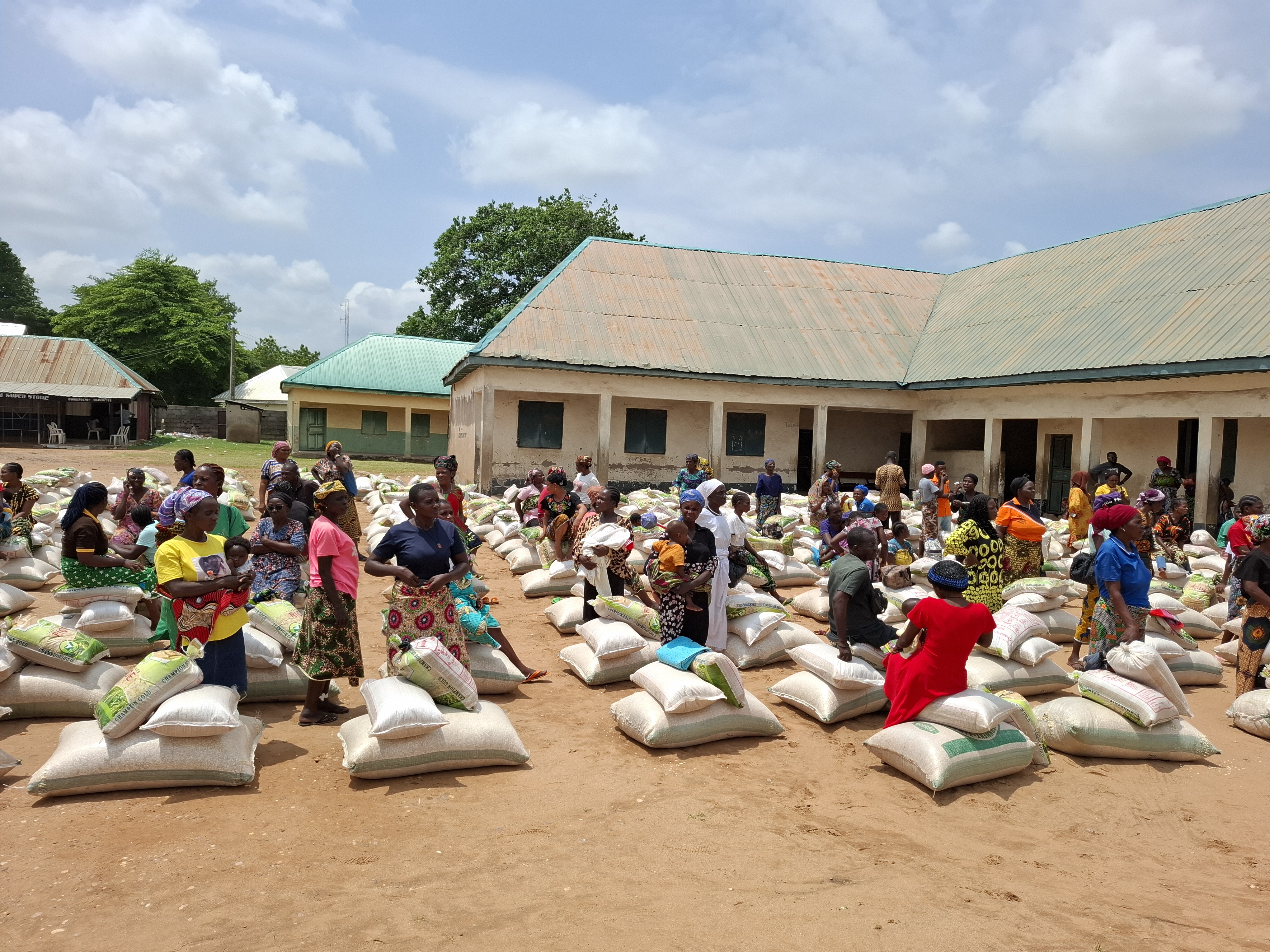
Thanks to your support, Open Doors local partners have been able to provide emergency food packages to IDPs in Pastor Barnabas’ camp. “If you are hungry, you will lose your confidence in God; if you are sick, if you are not strong, you may lose your confidence in God.” This vital supply of food isn’t just meeting people’s physical needs – it can help them persevere spiritually too, giving confidence that God hasn’t abandoned them when He uses local Open Doors partners as His hands and feet. Local partners are also planning to provide skills training and trauma care, to support long-term resilience and self-sufficiency. Open Doors local partners were also able to help with Ifa’s urgent medical bills, and are paying for Pastor Barnabas’s operation on his hand.
Pastor Barnabas is keen to send thanks to the Open Doors supporters—people like you—who make this possible through their prayers and gifts. “Brothers and sisters, you have been very supportive in the area of food particularly in this IDP camp,” he says. “We have been starving, but any time it becomes critical, you assist us; we are very grateful. Recently you provided us with corn, rice, beans and other things.
“I want to use this opportunity to say thank you for your ministry. It has been a help for us. If not for the help of your ministry, I don’t think it would be easy for us to live. But with the aid of this ministry, they cared for us. They took us along as brothers and sisters. They cared for us as mothers, as fathers and as sisters.
“So, I am very, very grateful. My prayer for [you] is that God Almighty will remember [you] the way they remembered us. May God Almighty strengthen [you] the way they strengthened us.
“We are grateful as a family. I am grateful. As an individual, I am grateful. On behalf of the IDP camps and especially in the ministry where I am, we are grateful, we are saying thank you. Thank you, thank you, God bless you.”
‘[God] is the only One that can help us’
There is still so much danger and persecution in the region, and the believers Pastor Barnabas cares for long for a time of safety, security and plenty. They want to go home. They want the violence to end. And they want to heal.
When asked what he is praying over the situation, Pastor Barnabas says, “My prayer is that God Almighty should intervene into this case. He should fight this battle for us, because the battle is not ours, it is His. So, our eyes and our hope are on Him. He is the only One that can help us. Without Him, no man can help us.”
He adds: “The Bible says ‘I will fight the battle for you and give you rest.’ If God Almighty will fight the battle for us, I believe a day shall come that we will be at peace. We will live a good life. Even those things that we lost, God will restore back. He did it to people before; He did it to Job.
“I believe that we will not be an exception. So, I say to my people, the Christians in the IDP camp, I believe that God lives high and lives forever in the name of Jesus. I am praying that God should help all of us to still have confidence and hope that it is going to be well with us. That is my prayer.”
Pastor Barnabas knows how vital the support and prayers of his worldwide church family are. “If there is any where you can contribute yourself, contribute in a way to help us Christians in the IDP camp, please do it and God will bless you,” he says, “and join together with us to pray that God Himself should be our defender and that God should preserve our lives—that God would sustain us and keep us.”
I think Trump will make good on his threat of thousands upon thousands of government employees laid off permanently during this shut down. There won’t be any jobs for them to go back to because AI will have taken them over. What do you think DOGE was for?
They’re using the same tired left/right bullshit arguments to say “it’s the democrats fault” which is nonsense as they’re 2 wings of the same bird. They’ve been planning for this to happen for a long time.
Unfortunately (or not depending on your perspective) my wife Lisa has been furloughed from her job as well. We shall see what happens but we are putting our trust in God, not in the government. At some point all true believers in Christ will be homeless and we are not exempt from tribulation and persecution. That’s why Jesus said that those who endure until the end shall be saved. It won’t be easy getting there. Please say an extra prayer for us, thank you!
The United States government has once again entered a shutdown after President Donald Trump’s Republican Party failed to resolve a budget standoff with opposition Democrats.
The temporary closure, which halts key federal services, comes Wednesday after Republicans and Democrats were unable to pass a spending bill to fund government operations into October and beyond.
Although budget confrontations are common in US politics, this shutdown could have a particularly severe impact on federal workers, as Trump has threatened to lay off “a lot of people that are going to be very affected.”
The president said at an event on Tuesday that “a lot of good can come down from shutdowns,” warning that he would use the pause to “get rid of a lot of things we didn’t want, and they’d be Democrat things.”
Roughly 750,000 federal workers are expected to be furloughed, with some potentially permanently fired by the Trump administration. Many offices will be shuttered, and the president warned he may take “irreversible” actions as retribution.
House Minority Leader Hakeem Jeffries said Tuesday that Democrats “will not be intimidated” by threats to fire federal employees during the shutdown. Two major federal employee unions also filed a lawsuit against the Trump administration, accusing it of illegally threatening mass layoffs.
Democratic leaders Chuck Schumer and Jeffries said in a statement that “Trump and Republicans have now shut down the federal government because they do not want to protect the health care of the American people.”
They said Democrats remain ready to pursue a bipartisan path to reopen the government.
Republicans control both chambers of Congress but lack the 60 votes needed in the Senate to pass a spending bill. This gives opposition Democrats leverage, particularly on healthcare funding, where they have refused to back a Republican bill that would make it harder for Americans to afford coverage.
The Senate is expected to reconvene to vote later on Wednesday on the same two bills that previously failed.
The Trump administration previously oversaw a shutdown lasting 35 days in late 2018—the longest in modern US history.
The Congressional Budget Office estimated that the 2018-2019 shutdown reduced economic output by roughly $11 billion, including $3 billion that was never recovered.
This time, the government shutdown is likely to produce an immediate economic jolt, with disruptions potentially felt within days.
While financial markets have historically “shrugged” off past shutdowns, a Goldman Sachs analysis warns that this standoff could have a more pronounced effect, given the lack of any indication that broader negotiations between Republicans and Democrats are underway.
Economists have long argued that government shutdowns disproportionately harm ordinary Americans, disrupting paychecks and essential services while doing little to resolve political deadlocks.
You can support this ministry and keep us on the internet using the links below. Patreon is gone so now we have PayPal, Cash App and Buy me a Coffee as our online options. The buy me a coffee link is below.
For years I’ve been saying that eventually America would have enough of the homeless causing problems and that they’d start to disappear, never to be seen again. That is happening right now as you will see/hear in this video interview of a homeless man named Jeremy in Austin TX.
Cities, states and even the Federal Government in DC have essentially made being homeless illegal without actually wording the laws that way. Some of them are snatched off the street in unmarked vans or SUVs and their friends never see or hear from them again. According to Jeremy “There’s, there’s certain situations you don’t want to go to sleep in. Uh, right now with everything going on, dude, (1:16) there’s like people that we talk to that say or do the wrong thing the next day. And then you don’t (1:23) see them again.”
The City of Austin is having a re-gentrification plan going on and now they want all of the homeless OUT of the downtown areas after herding them there in the first place. All of the resources the homeless need have been placed downtown, so now where are they supposed to go? According to Jeremy “then they told us their resources are full while they stood there and made a stand (3:55) beside our stuff and took our stuff and put it in a trash compactor. And then when we asked, (3:59) well, what the hell are we supposed to do? Where the hell are we supposed to go? (4:02) They told us they don’t care. They changed the law into the first time you’re caught (4:07) sleeping or resting or sitting for more than four hours in a city spot in a public place.(4:13) It’s a warning. The second time’s a ticket. The third time they’re taking you to county jail.(4:18) So, I mean, they’ve made it illegal to be homeless without saying it’s illegal to be (4:23) when they do. When did they do that? This started two days ago. So that’s the big transition.”
The food and water that the city of Austin has been giving out to the homeless is POISONED as well, just as the Lord told me (back in 2012) it would be during this time. Jeremy also talks about the drugs downtown being tainted, made extra toxic or something which is something he’s never seen before. They give us food and (5:10) a lot of people get sick from the food and shit. They’re saying there’s stuff in it. (5:15) And you see Republic Square’s all got that, all that construction right there.(5:19) And now, like, it’s weird. All, they took all the drug dealers out of Republic Square, (5:25) but you can tell there’s certain dudes they allowed to be there to peddle certain drugs. (5:31) And the people that are getting them drugs are way fucked up.(5:36) Like bad, like out of their fucking mind, fucked up, hurting themselves, fucking trying to hurt (5:42) other people, uh, laying down here underneath the bridge, dying, disappearing. So some drugs that (5:49) are trying to get rid of people. And this is wow.
As you can see the governments on every level are out to get rid of the homeless problem via extermination. I wouldn’t doubt that they’re being taken to FEMA camps while being told they’ll be taken care of with food, water, medical care etc. Who wouldn’t go for that when you’ve been on the streets for a long time? As you can see above those who won’t go and want to continue to use drugs are being poisoned with many probably dying from them. I see it here in Spokane WA everyday with drug addicts being given Narcan to revive them. Somedays it’s dozens per day.
I highly recommend watching the entire video. For those who would rather read it I’ve put the transcript below the video.
You can support this ministry and keep us on the internet using the links below. Patreon is gone so now we have PayPal, Cash App and Buy me a Coffee as our online options. The buy me a coffee link is below.